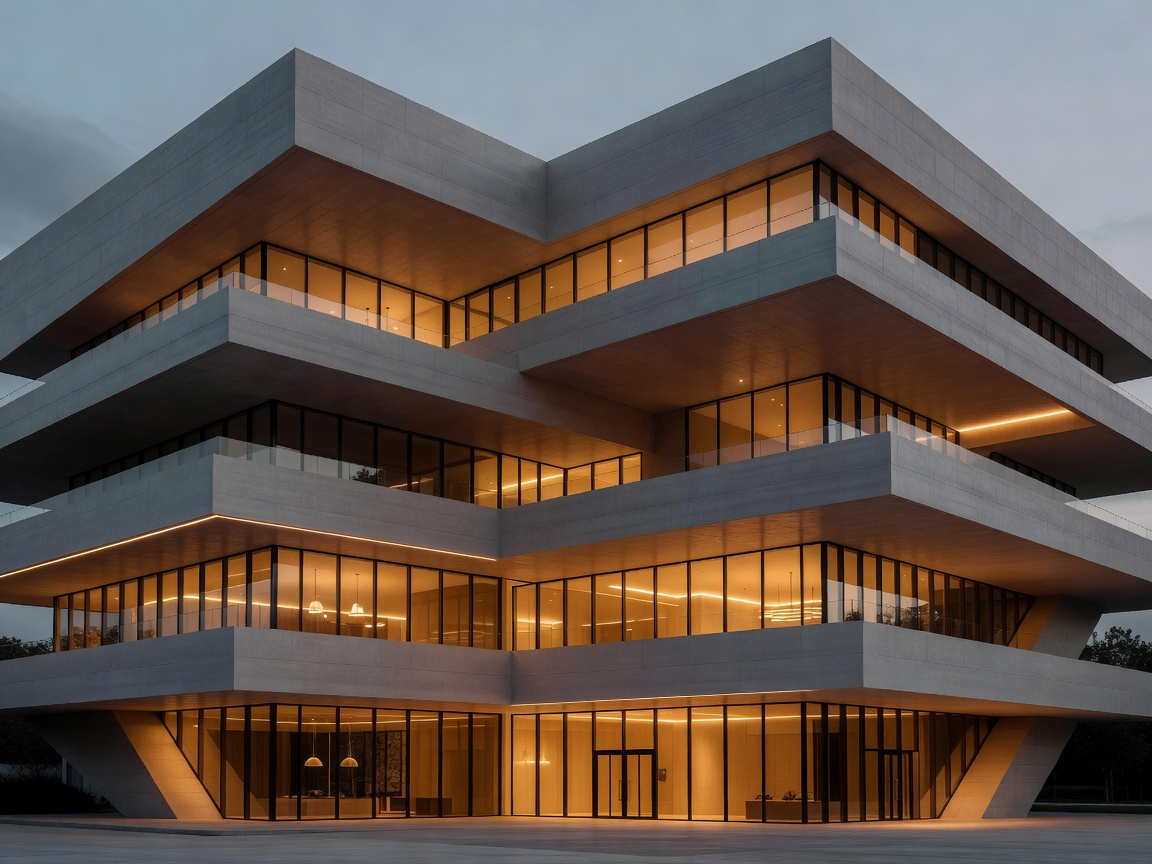
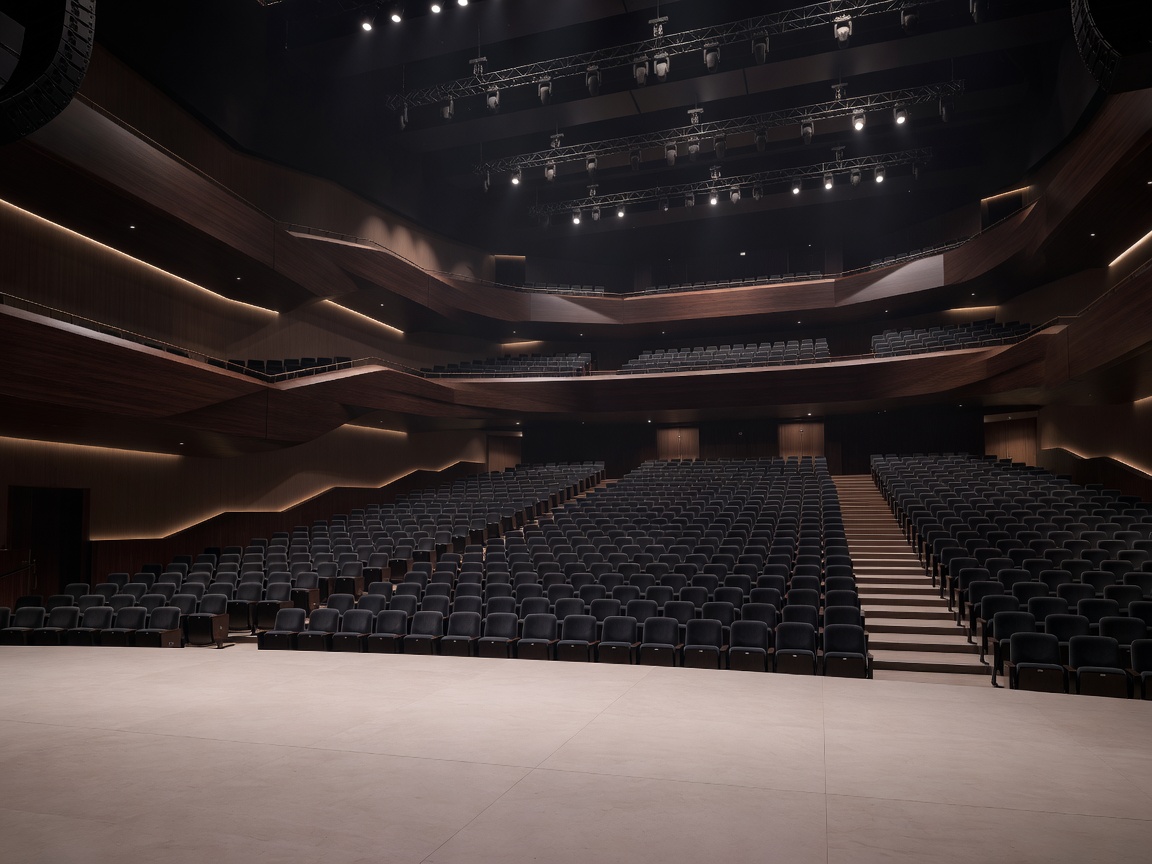
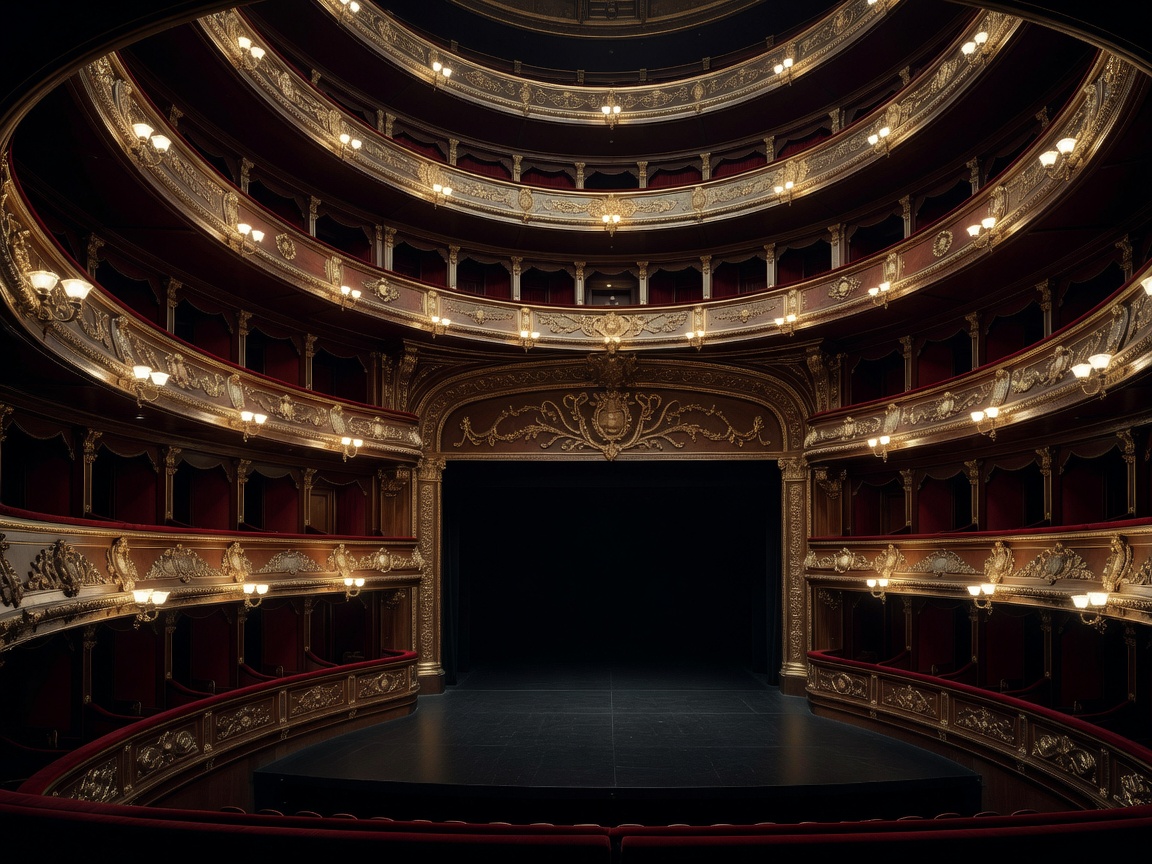
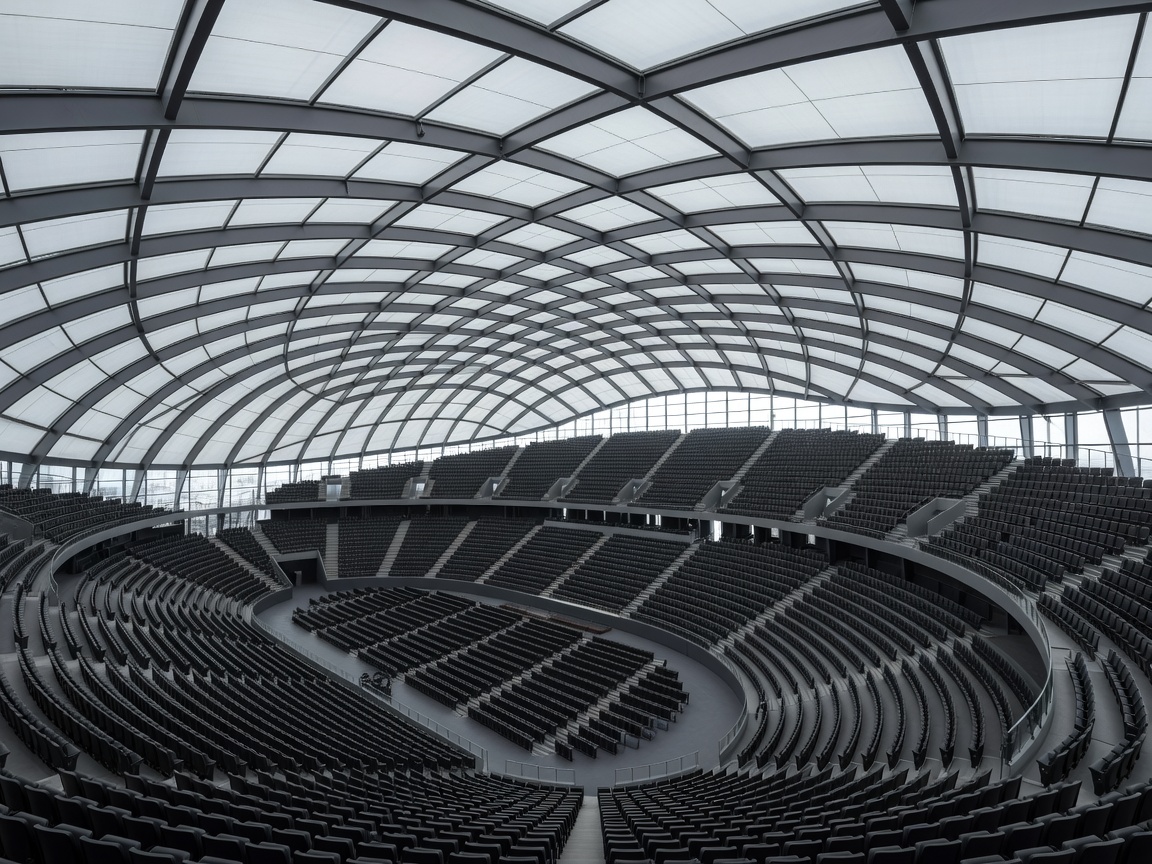
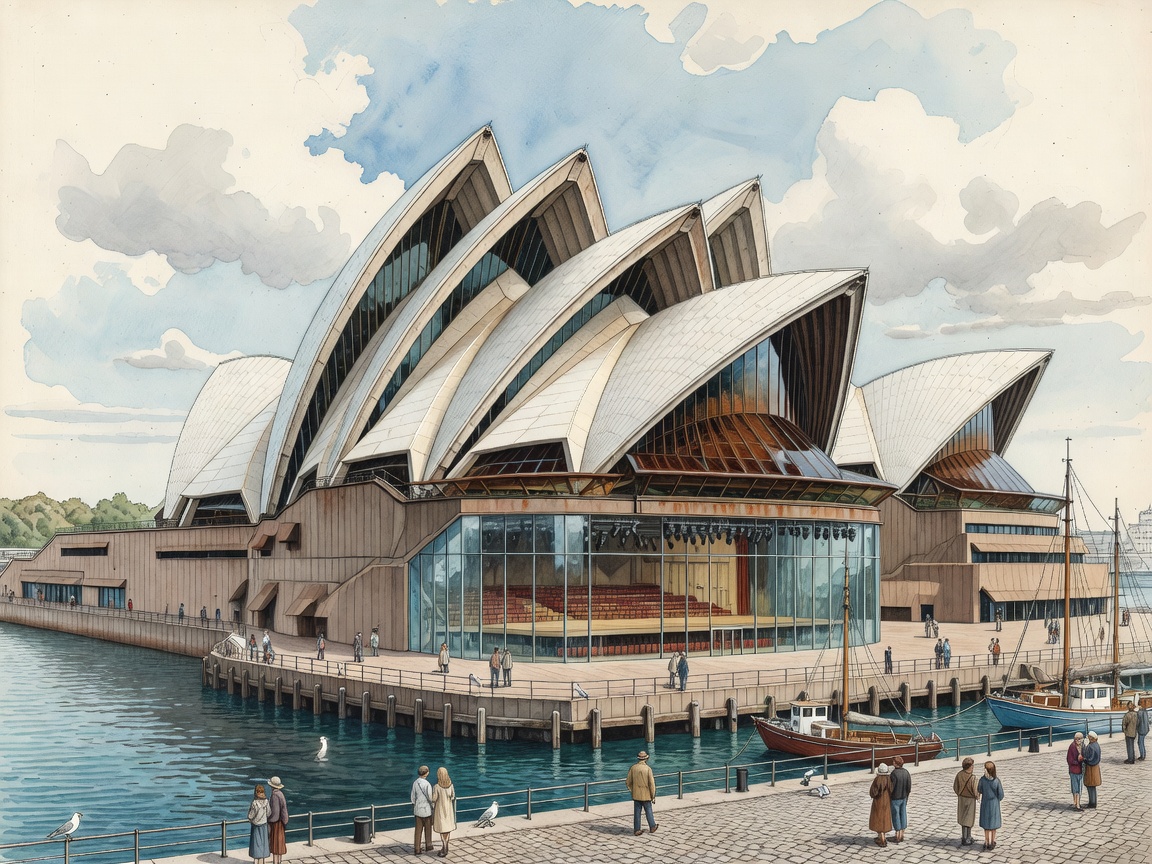
A room is never a neutral container. Its volume, surfaces, geometry and social rituals shape how music travels—and how an audience experiences it. Explore the architecture, acoustic thinking and cultural identity behind performance spaces around the world.
Spatial study / contemporary auditorium, conceptual editorial image
01 / FORMVENUE TYPOLOGYRooms for distinct traditions
02 / LISTENACOUSTIC DESIGNShape, surface and sound
03 / TOUCHMATERIAL STUDIESTimber, stone, fabric and light
04 / PLACEARCHITECTURAL DESTINATIONSBuildings within their cities
FIELD NOTES / 01—05
Explore the typologies
Five lenses on the spaces where architecture and live performance meet.
01 / AUDITORIUMS
Concert Hall Architecture
Read the room through its balconies, stage geometry, ceiling volume and audience sightlines. Compare shoebox and vineyard-style approaches without reducing either to a formula.
Architecture sets the conditions in which performers and listeners meet.
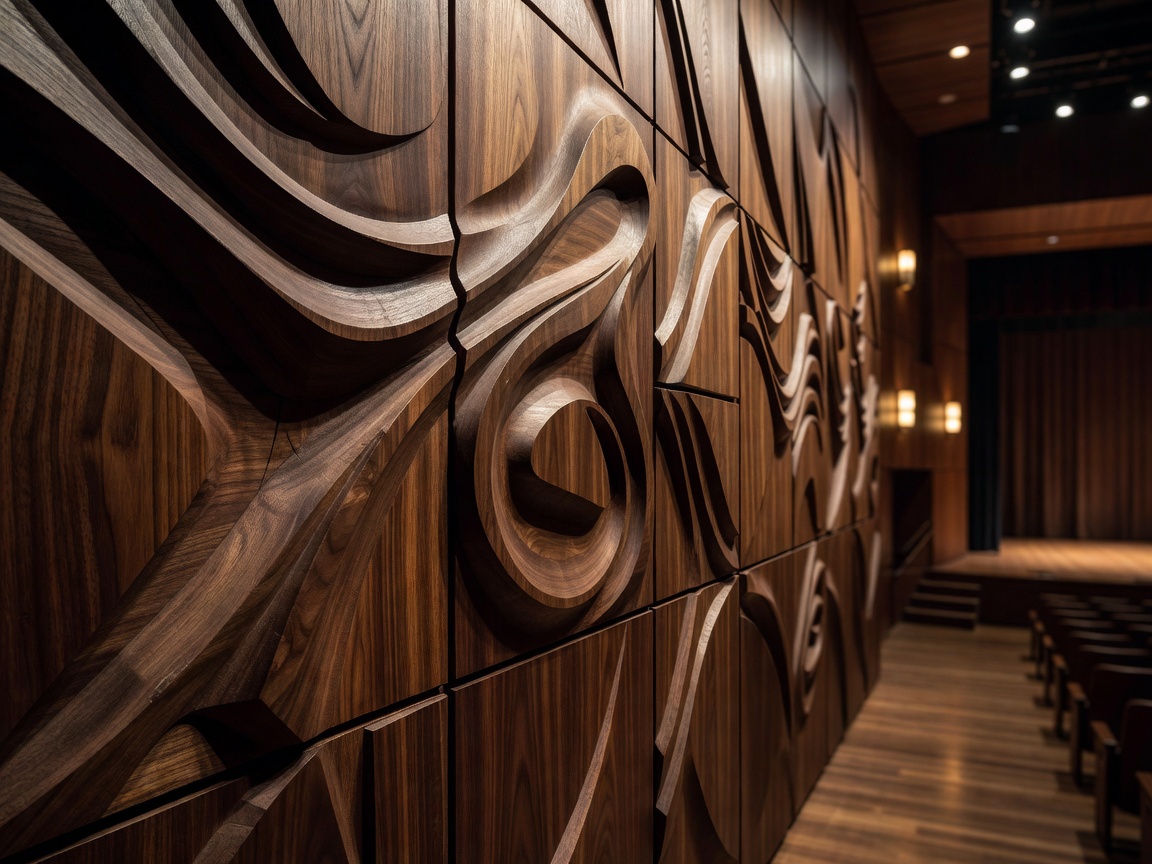
The shape of a room influences where sound travels and where it returns. A ceiling may redirect early reflections; balconies can create intimate listening zones as well as demanding edge conditions; absorbent surfaces can help control energy. The audience is part of the acoustic environment too. These relationships are designed together, not added as decoration after the fact.
The diagram is deliberately simplified: real sound fields are more complex, and project decisions require specialist analysis.