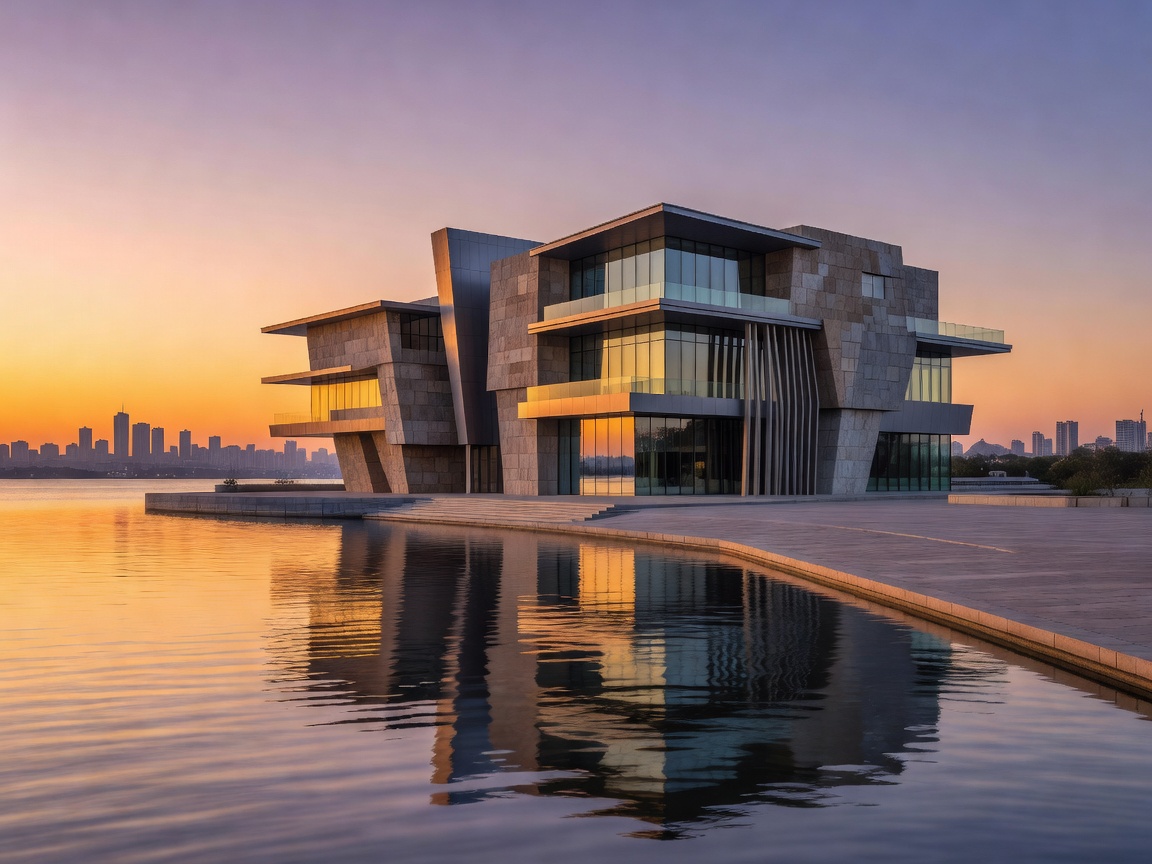
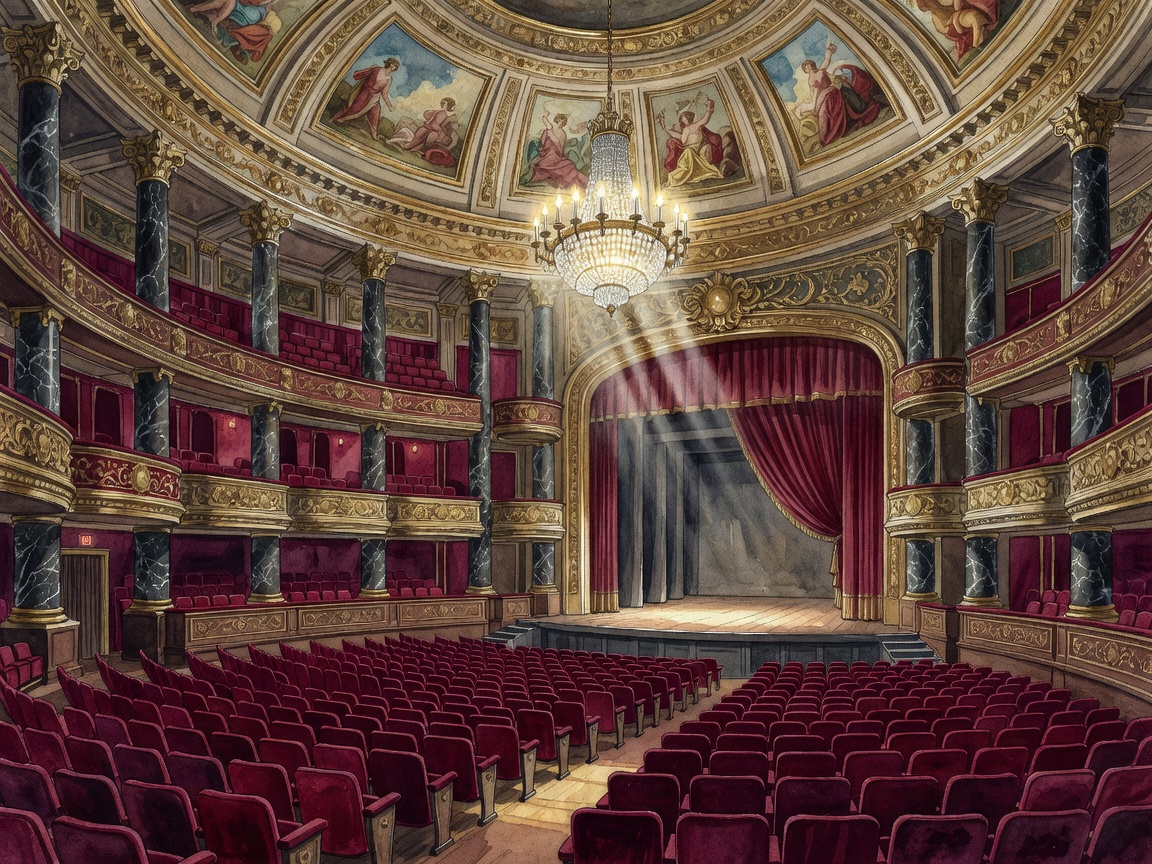
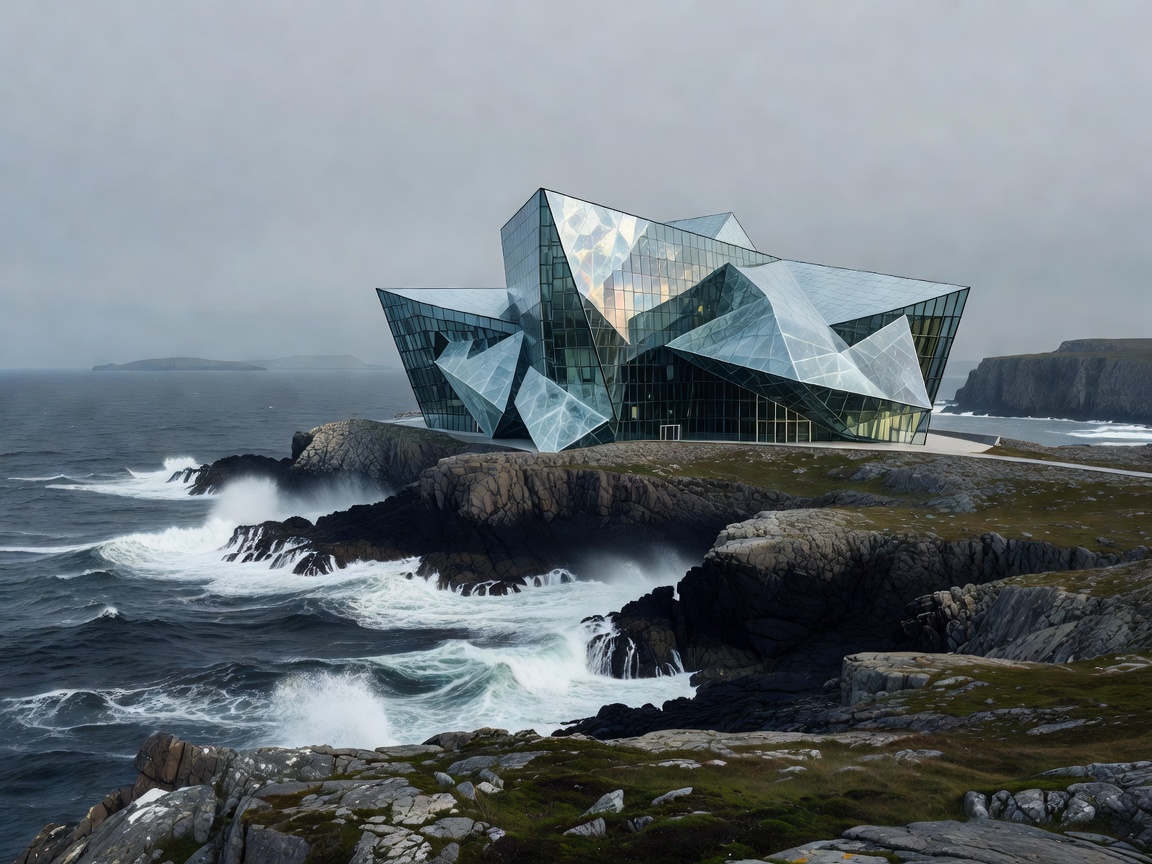
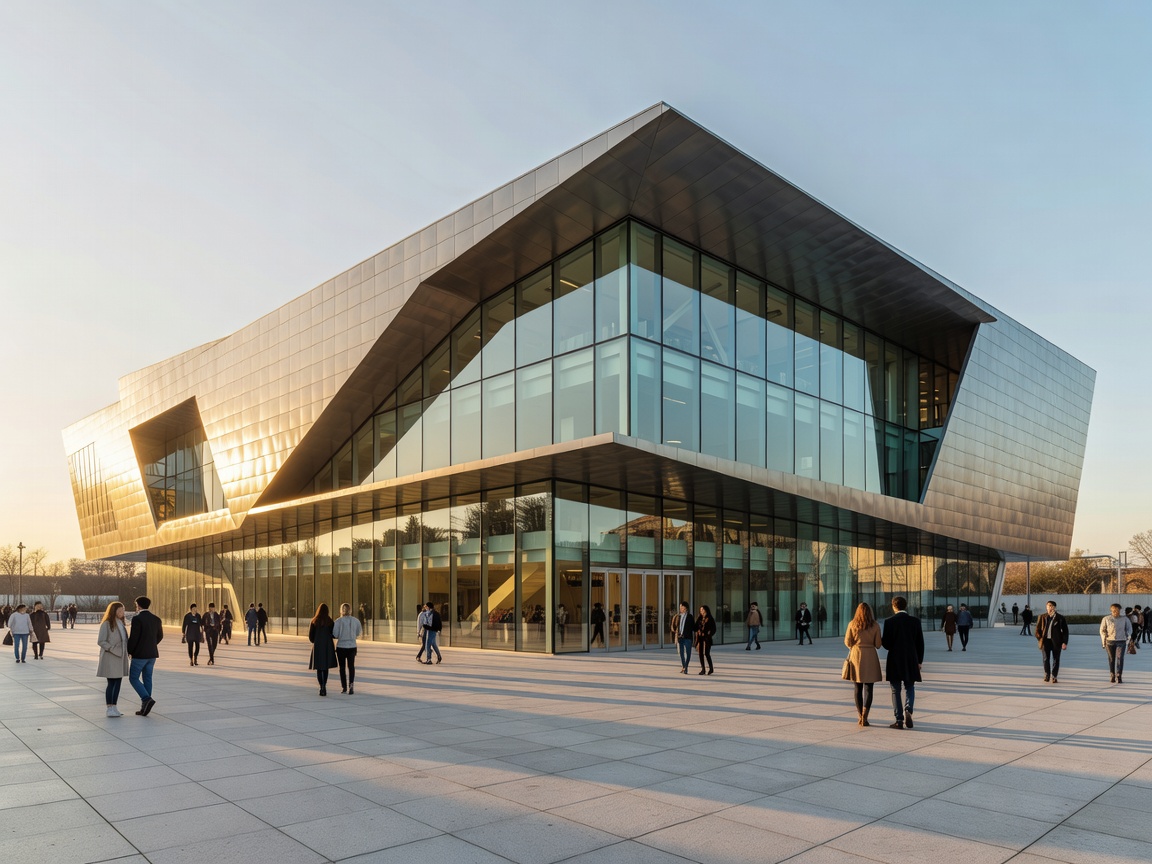
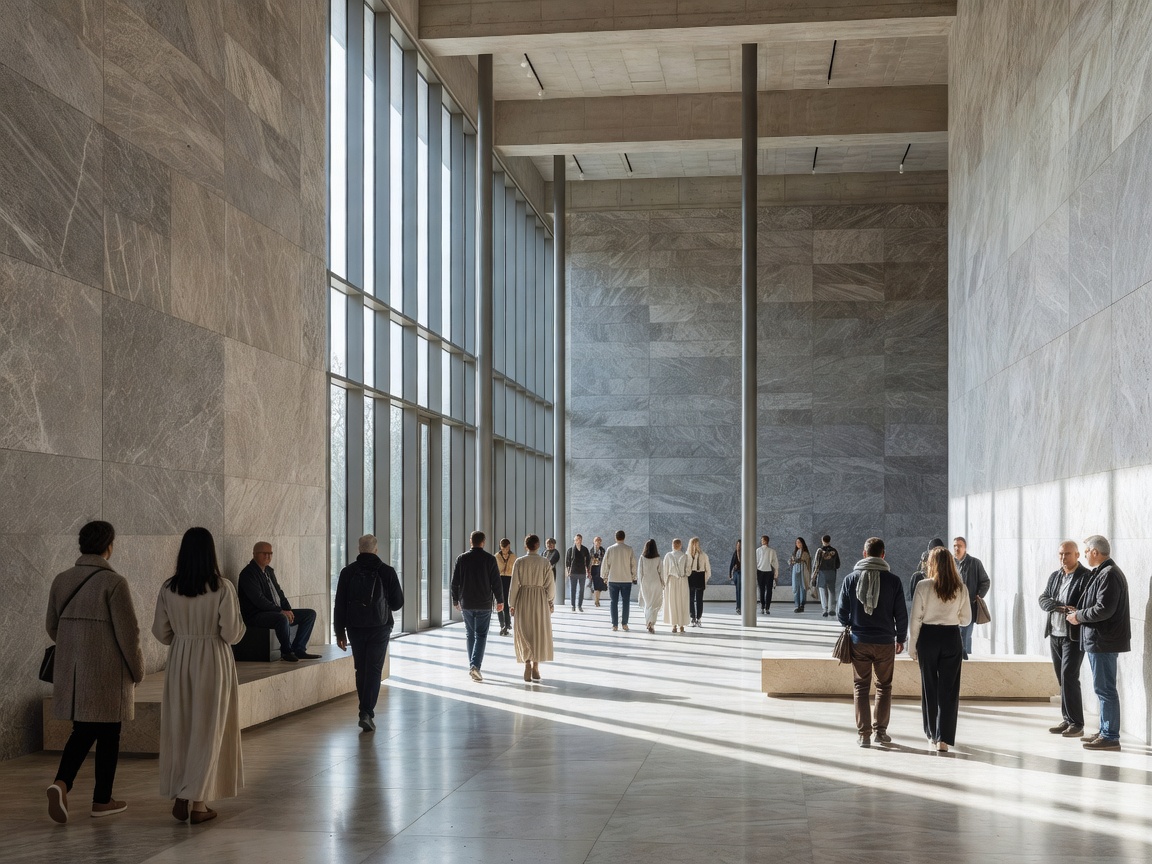
A venue is part of a city as well as a room for performance. Look at how it meets the street, frames public life and carries the identity of a place.
Conceptual urban cultural-building image, not a depiction of a named venue
Read the building, then check the practical details
Architectural travel begins with observation rather than a checklist of attractions. Notice a building’s approach from the street, how its entrances are expressed and whether public areas connect to a wider civic setting. Inside, compare the scale of the foyer with the intimacy or grandeur of the auditorium. Materials, daylight and circulation can tell stories about local craft, institutional history and contemporary ambition.
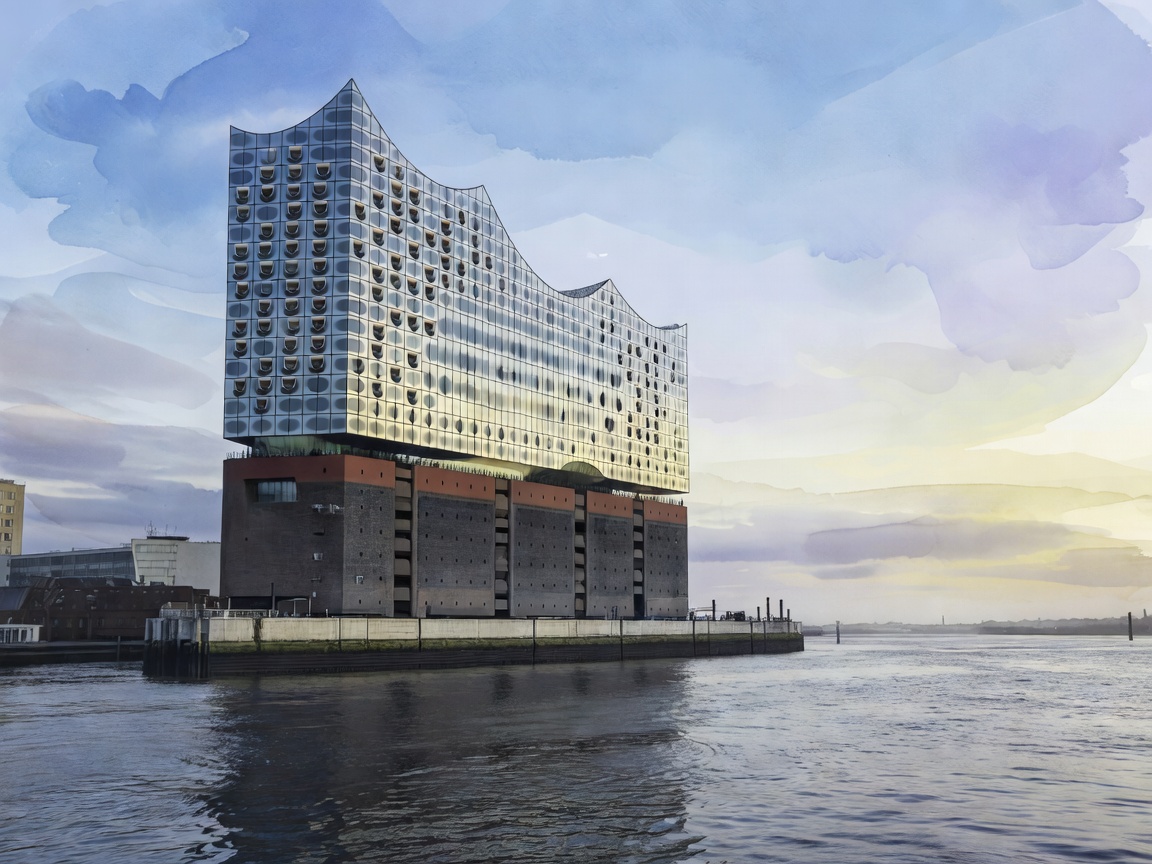
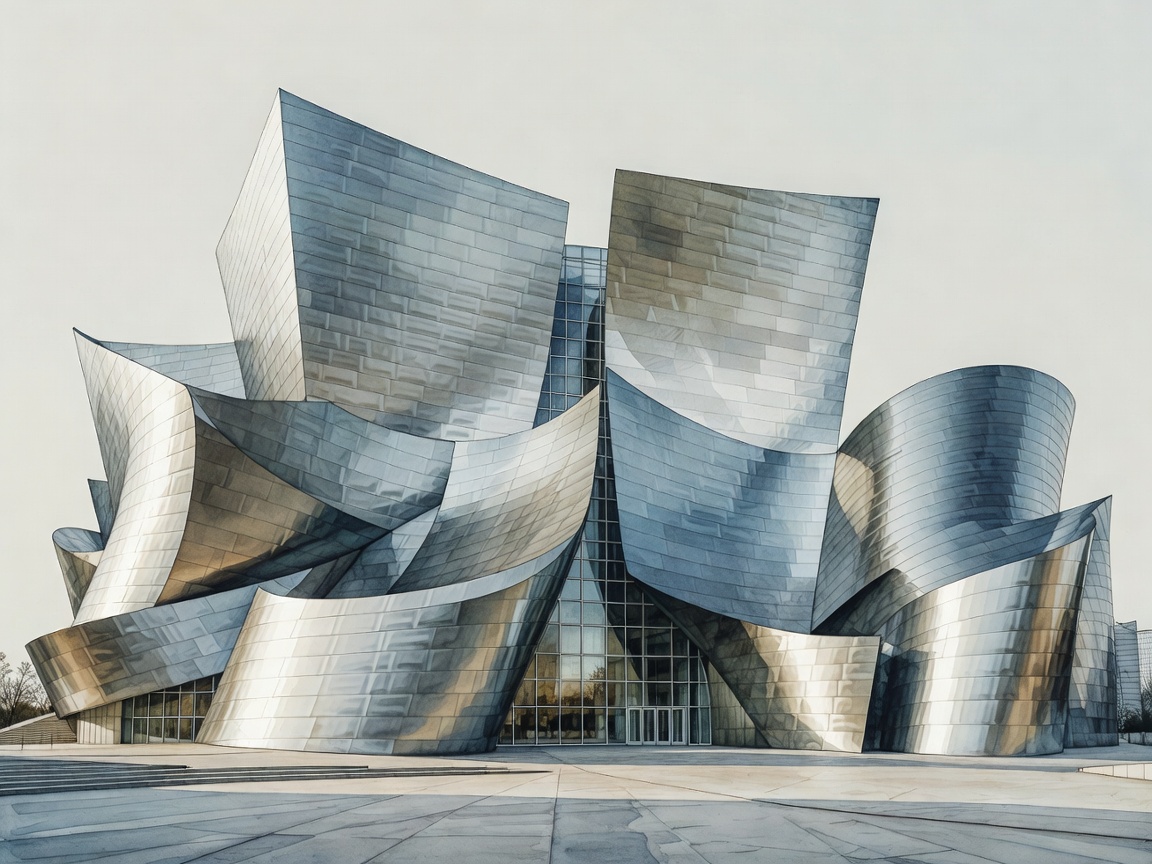
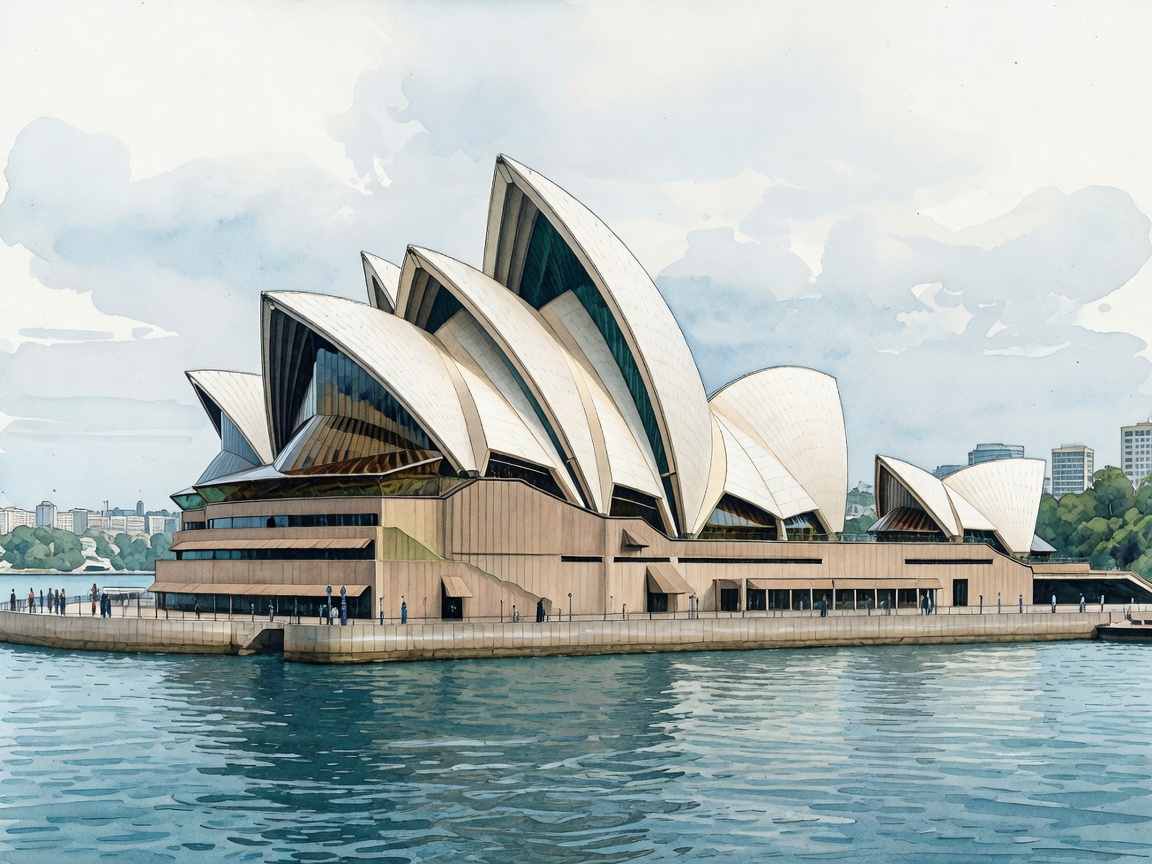
The following examples are real venues, but the accompanying pictures on this page are conceptual editorial illustrations and do not depict those buildings. Venue policies, access arrangements, tours and public opening conditions can change. Consult each institution’s official website before planning a visit.
HAMBURG, GERMANY / CONCERT HALL
Elbphilharmonie
Set within Hamburg’s historic port district, the Elbphilharmonie is a contemporary cultural landmark associated with the city’s waterfront. Visitors can consider how a major performance destination joins a former industrial setting to a new public identity, and how its expressive silhouette reads against the harbour.
In downtown Los Angeles, this concert hall is widely recognised for its sculptural exterior and strong civic presence. A visit offers an opportunity to observe how an expressive cultural building addresses surrounding streets and public space as well as the performance inside.
Located beside Sydney Harbour, the Opera House is a major performing arts centre and an unmistakable part of the city’s visual identity. Its setting makes the relationship between architecture, landscape and public gathering especially visible. The complex contains multiple performance spaces; consult the official site for current visitor information.
Royal Albert Hall is a historic performance venue in South Kensington. Its distinctive circular form and layered interior suggest a different audience relationship from a conventional end-stage concert room. Look for how the building’s long cultural life is carried through its public identity and auditorium.
Harpa is a concert hall and conference centre on Reykjavík’s harbour. Its glass architecture makes the building’s exterior envelope and changing northern light an immediate subject for observation. Consider how a major cultural institution addresses the water’s edge and the public realm around it.
Performance buildings are working cultural institutions, not just architectural exhibits. Respect current performance schedules, photography rules, security guidance and the privacy of artists and audiences. Check official accessibility information before travelling, including step-free routes, seating arrangements and any event-specific details. Public visitor access varies by venue and day; do not assume that a foyer, auditorium or tour is open simply because it appears in a guide. Follow staff directions and leave circulation routes clear.
Use official venue channels for opening information, tickets, tours or access enquiries. This editorial guide does not provide current schedules, admission prices or booking services, and it is not affiliated with the venues mentioned.